
Elevate Your Business and Shape the Future of East Harlem

A Space to Realize Your Vision

Unlock Your Business Potential in East Harlem’s New Landmark

Join a vibrant community and secure your spot in East Harlem’s newest luxury mixed-use development featuring top-tier retail and commercial spaces.

Discover Prime Retail Spaces

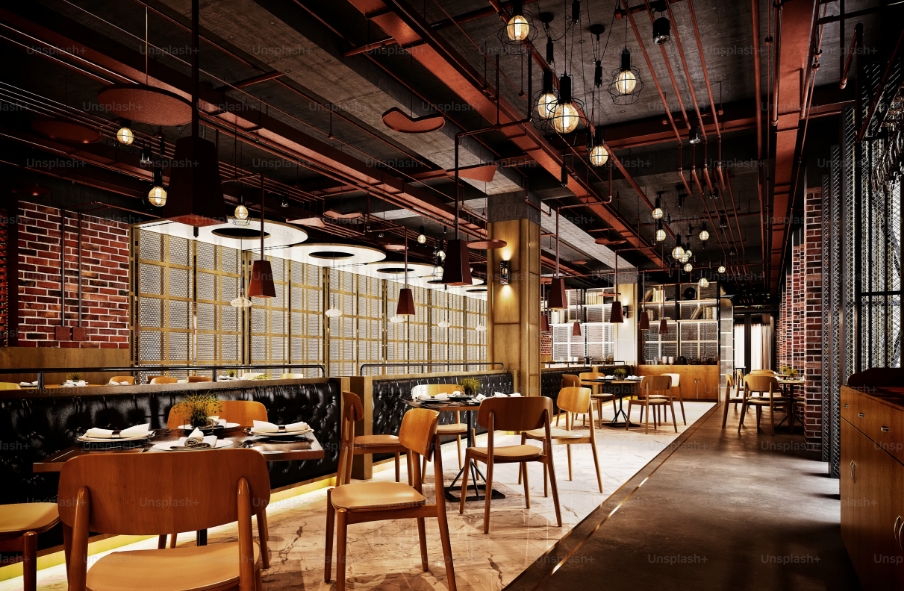
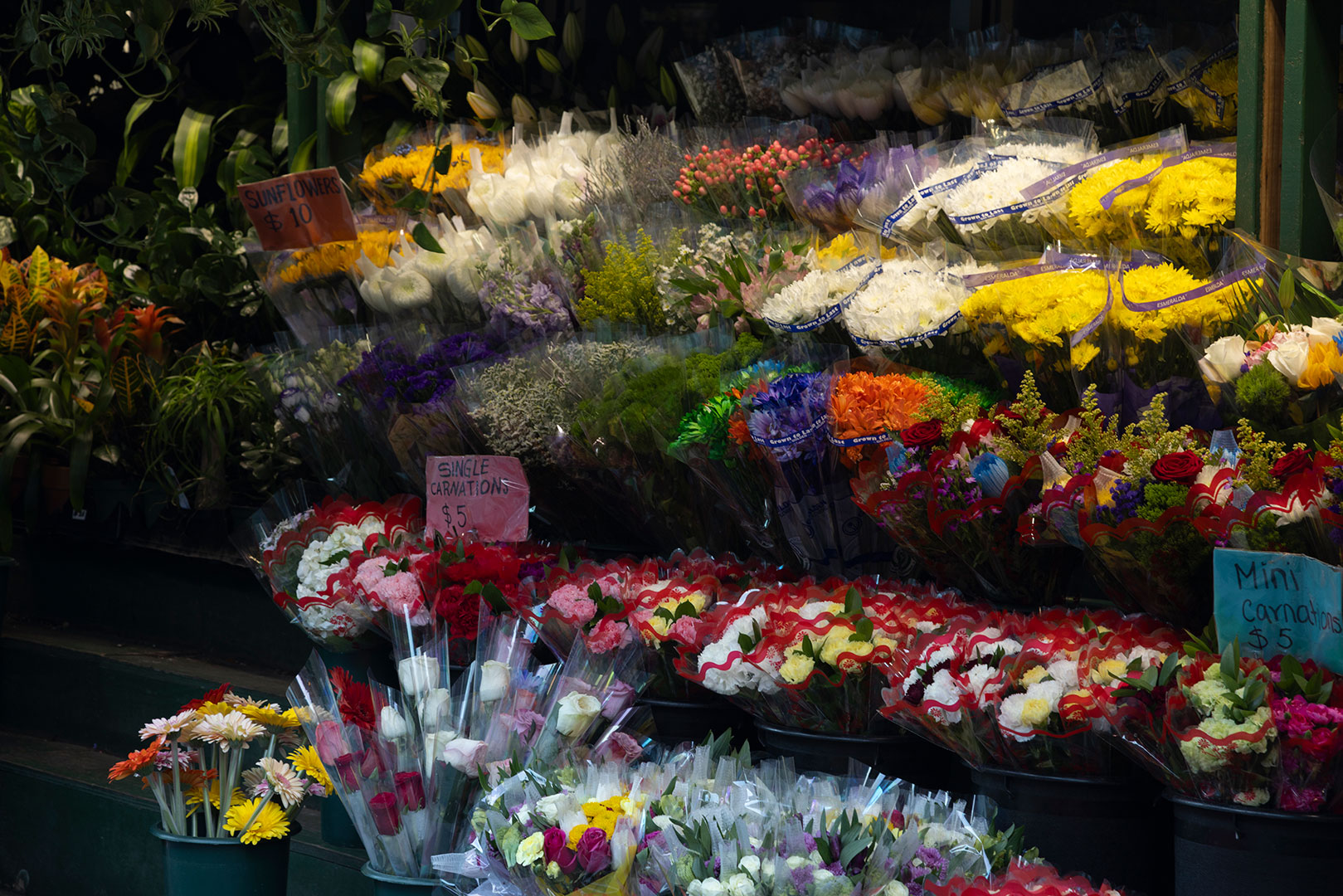
Bring your business to life in our our state-of-the-art, modern, spacious, and strategically located retail spaces.

Dynamic Community Facility Spaces
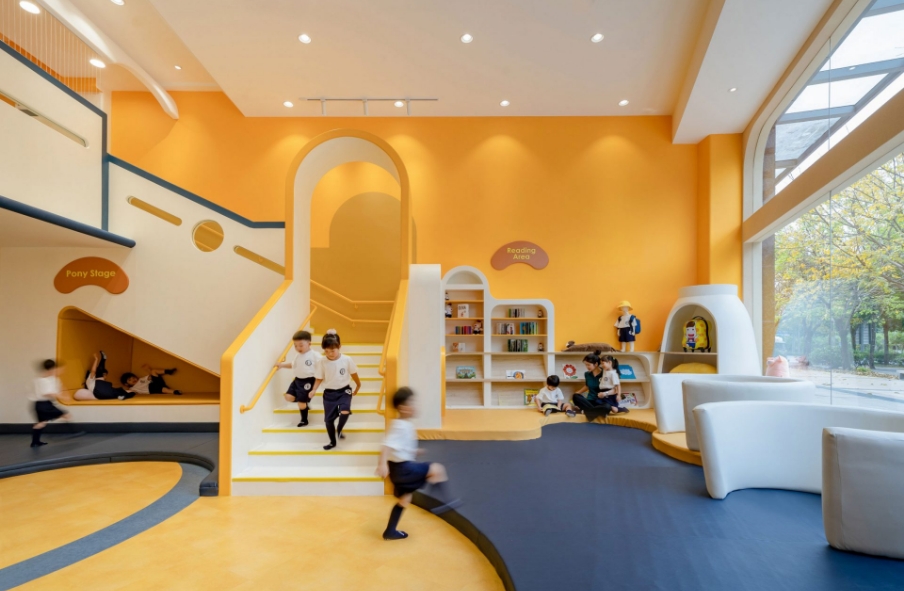
Shape the future of Harlem with ideal spaces for schools, educational centers and modern healthcare providers featuring ground floor access and outdoor spaces.

Vibrant and Diverse

the richest amenity is community.

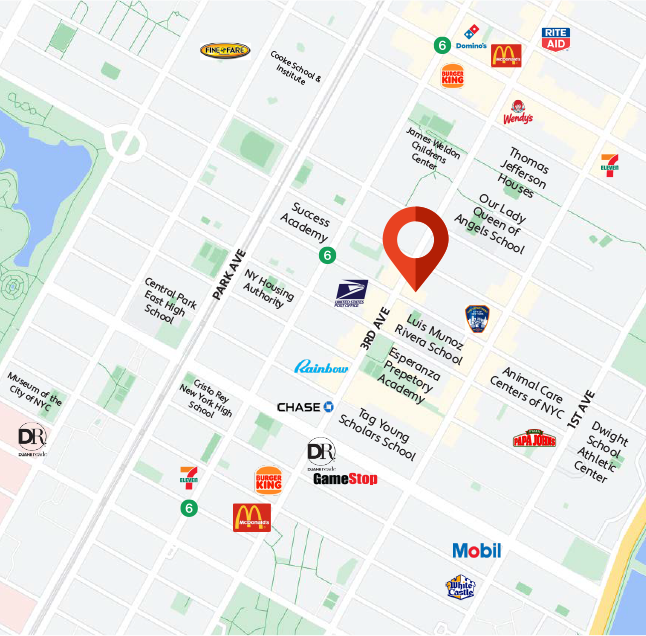
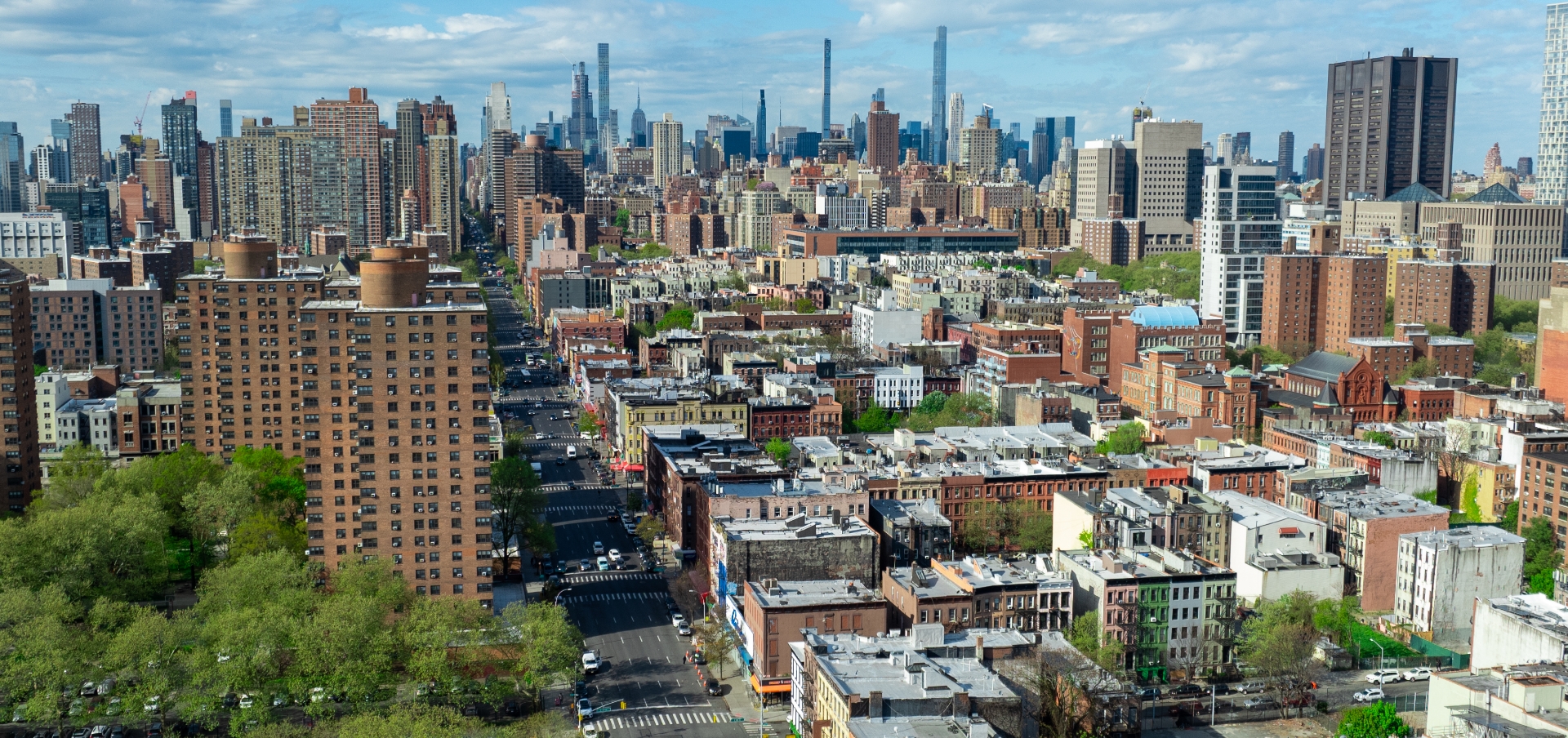
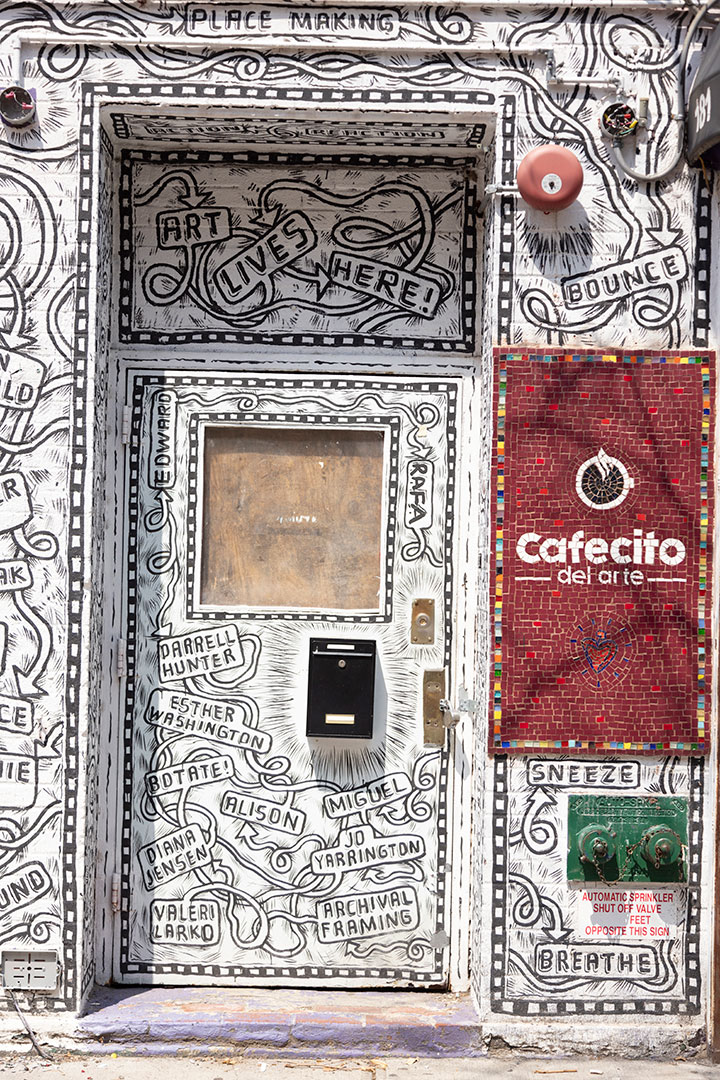
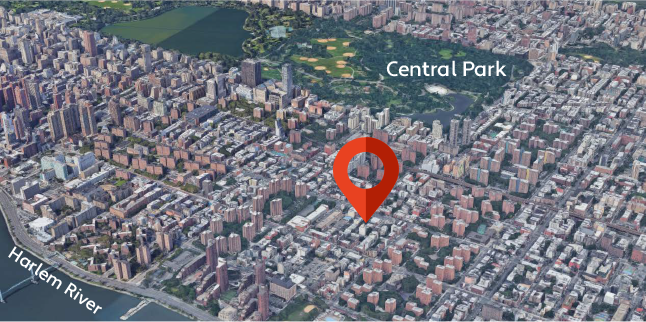
Nestled between Central Park and the Harlem River, East Harlem is a vibrant and diverse community rich in culture and history. Known for its welcoming atmosphere, this bustling neighborhood is home to a mix of families, young professionals, and long-time residents, creating a dynamic and inclusive environment. With a strong sense of community and an array of local businesses, East Harlem offers the perfect backdrop for your commercial venture.

A Neighborhood
on the Rise

East Harlem is not only culturally rich but also economically robust. With an average household income of over $90,000 and total consumer spending exceeding $1.7 billion within a one-mile radius, the area presents a lucrative opportunity for businesses. This thriving community is characterized by its engaged residents who support local enterprises, making it an ideal location for your business to grow and prosper.

179,913

Population

69,762

Number of Households

$90,702

Average Household Income

$1,728,274,624

Total Consumer Spending
Community facilities in New York City can be used by a variety of people, including: 

Colleges, universities, and dormitories are all considered community facilities.
Churches, synagogues, mosques, and temples are all considered community facilities.
Hospitals, medical offices, and ambulatory diagnostic or treatment centers are all considered community facilities. 
Non-commercial clubs, community centers, and non-commercial recreation centers are all considered community facilities. 
Group homes, rectories, convents, homeless shelters, and monasteries are all considered community facilities. 
Public schools, libraries, child care centers, and fire and police protection are all considered community facilities.